
Thailand’s medical device industry is rapidly emerging as a hotspot for global investors, driven by key factors that make it a prime destination for growth. With a competitive edge and rising demand, Thailand offers immense potential for those looking to invest in healthcare. In this article, we explore four compelling reasons why Thailand is becoming a magnet for investment.
1. Strong Local and Regional Demand
- Thailand’s medical device sector is recognized as one of the most prominent and well-established industries within the ASEAN region, providing a strong foundation for growth and investment opportunities.The total medical device import market was valued at approximately USD 3.29 billion in 2024, recovering from a post-pandemic dip and reflecting renewed strategic investment in healthcare infrastructure.
- The expansion of healthcare services in both public and private sectors has driven significant demand for a wide range of medical equipment across Thailand.Additionally, due to limited domestic production of high-tech devices, Thailand imports advanced medical devices like ophthalmic and optical equipment to meet its growing healthcare needs. Ophthalmic and optical device imports grew 14.0% year-on-year in the first half of 2023, signaling strong and sustained demand. This trend creates lucrative opportunities for international medical device manufacturers.
2. Key Drivers Behind Growing Medical Device Demand
The persistent rise in demand for medical devices in Thailand can be attributed to five key factors:
Increasing Prevalence of Non-Communicable Diseases (NCDs)
Thailand is facing rising rates of NCDs such as diabetes, cardiovascular diseases, and cancer. According to the World Health Organization (WHO), NCDs are responsible for approximately 74–76% of all deaths in Thailand, claiming around 400,000 lives annually. A 2024 report from the U.S. International Trade Administration confirms NCDs remain the leading cause of death, with 75% of Thailand’s elderly population suffering from chronic NCDs. This surge has heightened the demand for devices like glucose monitors, dialysis machines, and heart stents. With an aging population and lifestyle changes, the burden of NCDs is expected to increase, necessitating more advanced healthcare solutions.
Growing Geriatric Market Driven by Thailand’s Aging Population
Thailand’s aging population is driving demand for geriatric care. As of 2023, approximately 20% of Thailand’s population — more than 13.6 million people — were aged 60 or older. By 2030, Thailand is expected to become a “super-aged society,” with the elderly population reaching around 28% of the total population, according to WHO. This demographic shift is increasing the need for diagnostic and therapeutic devices, such as mobility aids and home-use healthcare equipment. Devices for monitoring conditions like osteoporosis and arthritis are in high demand, and homecare settings represent the fastest-growing end-user segment in the medical device market.
Rebound of Foreign Patients Seeking Treatment in Thai Hospitals
The rebound of foreign patients seeking treatment post-pandemic is stimulating demand for medical technologies. In 2019, Thailand’s medical tourism market drew more than 600,000 inbound tourists. By 2023, the medical tourism market had recovered strongly, with the market estimated at USD 2.57 billion and forecast to grow at a CAGR of 10.49% through 2030 (Grand View Research). In 2024, the number of foreign patients in Thailand was estimated to reach 3.07 million (Kasikorn Research Center/Statista). Thai hospitals, particularly those specializing in medical tourism, are investing in state-of-the-art devices to meet the expectations of international patients, who often seek advanced procedures like cardiac surgeries or cosmetic treatments.
Demand for New Devices Due to Expansion of Private Hospitals
The expansion of private hospitals has led to increased procurement of new medical devices. As of 2023, Thailand had 349 registered private hospitals (Thailand Ministry of Public Health/Statista, 2024), with many undergoing expansion to cater to both local and foreign patients. With new facilities being built, there is heightened demand for cutting-edge medical devices such as MRI machines, ventilators, and specialized surgical instruments. The construction of Bangkok Hospital’s new medical complex is a prime example of this expansion, boosting the need for top-tier medical technologies.
Government Support to Promote Medical Tourism
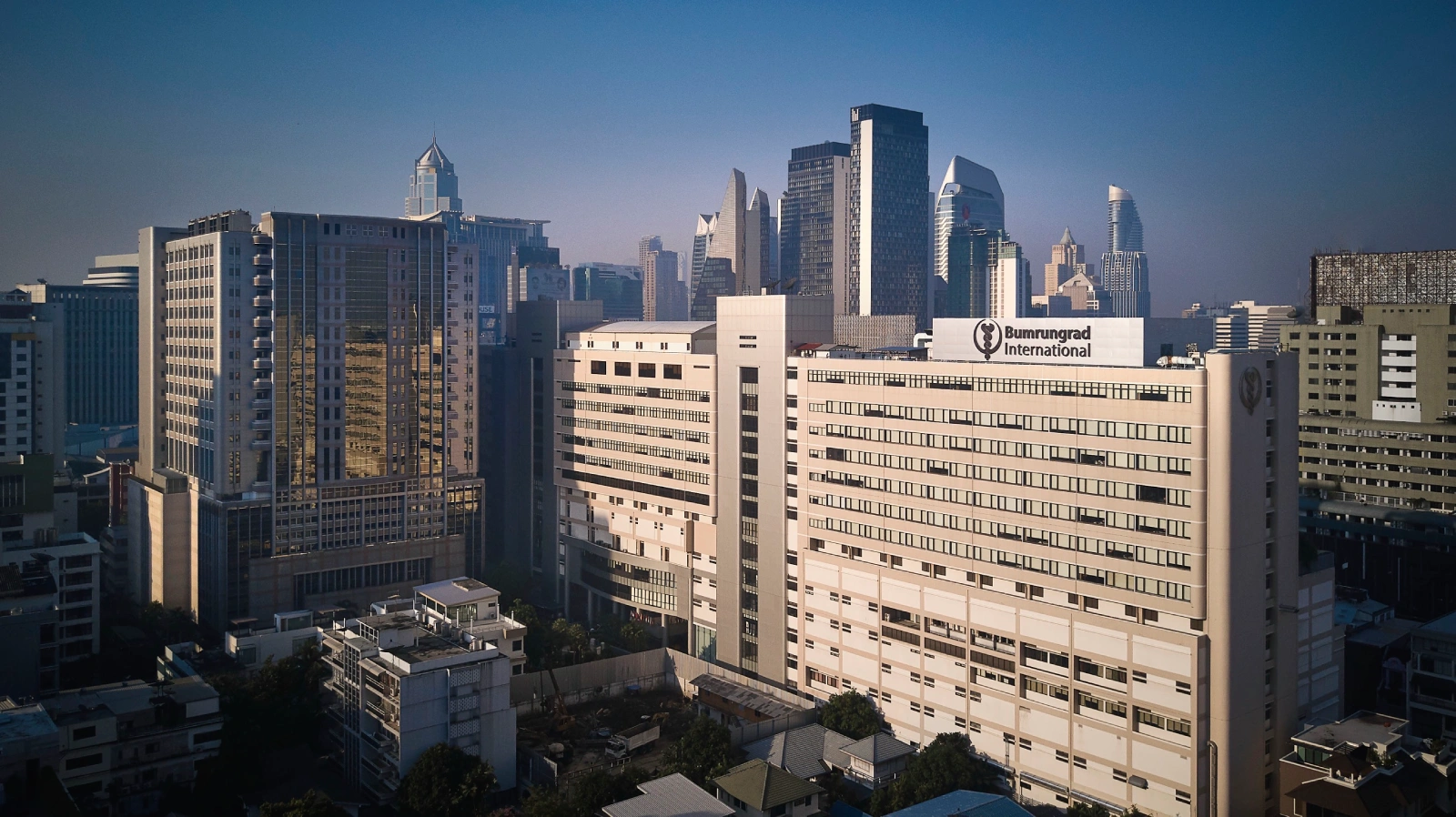
Thailand’s government has launched initiatives like the “Thailand Medical Hub Policy,” aiming to make the country a premier destination for medical tourism by 2026. As of July 2024, Thailand had 62 hospitals accredited by the Joint Commission International (JCI), reflecting a commitment to world-class standards. These policies have led to significant investments in healthcare infrastructure, including the purchase of new medical devices. For instance, Bumrungrad International Hospital has invested heavily in robotic surgery and telemedicine technologies, ensuring cutting-edge treatment for medical tourists.
3. Supply-Side Supporting Factors
Thailand’s supply-side factors are crucial in supporting its growing medical device industry, with several key advantages contributing to this sector’s success:
- Abundance of Raw Materials: Thailand is one of the world’s largest producers of rubber, providing an ample supply of a vital raw material for manufacturing medical devices, particularly single-use items like gloves and catheters. Additionally, the country’s thriving plastics industry ensures a steady supply of materials for medical device production.
- Institutional Support: Various institutions such as Thailand’s National Science and Technology Development Agency (NSTDA) play a critical role in supporting research and development (R&D) efforts, helping manufacturers innovate and improve product quality.
- Regulatory Framework: Thailand has established strong regulations to protect intellectual property, allowing medical device producers to commercialize their innovations securely. This supportive legal environment encourages investment in new technologies for both local and international investors.
4. Government and BOI (Board of Investment) Support
Thailand’s Board of Investment (BOI) offers various incentives that strongly support the growth of the medical device industry, divided into the following key areas:
- Exemptions on Import Duties: Companies investing in Thailand’s medical device sector benefit from import duty exemptions on essential machinery and raw materials used in production for export, which significantly reduces operational costs and enhances competitiveness.
- Corporate Income Tax Exemptions: To drive innovation, the BOI provides corporate income tax exemptions for up to eight years, particularly for companies involved in R&D and the development of advanced medical technologies.
- Non-tax Incentives: The BOI offers non-tax incentives, such as business facilitation services. These include the streamlining of work permit applications for foreign employees, allowing businesses to expand smoothly.
Conclusion
Thailand’s medical device industry stands as a compelling opportunity for global investors in the ASEAN region. With robust local and regional demand, a supportive regulatory framework, and substantial government incentives, the country is well-positioned to become a leading hub for medical device innovation and production.
The persistent rise in healthcare needs, driven by an aging population and the increasing prevalence of non-communicable diseases, further underscores the potential for growth and investment in this sector. With the market valued at USD 2.23 billion in 2024 and forecast to grow at a CAGR of approximately 4.9–6.5% through 2029–2030, the outlook for investors remains strong.
References
- Thailand Board of Investment_Medical Device Industry in Thailand
- Thailand's $3.29 billion Medical Device Import Market in 2024 Undergoes Radical Shift as Post-Pandemic Demand for Aesthetics and Elder Care Surges, New Research Reveals
- World Health Organization_ Noncommunicable Diseases: Health in all public policies for the prevention and control of NCDs
- United Nations Thailand_Prevention and Control of Noncommunicable diseases in Thailand – The case for investment
- U.S. International Trade Administration_Thailand Healthcare Non Communicable Diseases
- Thailand_Aging population 2040_Statista
- Thailand_Number of private hospitals 2023_Statista
- Grand View Research_Thailand Medical Tourism Market Size_Industry Report 2030
- Thailand_Number of foreign inpatients 2024_Statista
- Nexdigm (2025)_Thailand Medical Devices Market Outlook 2030
- Industry Outlook Medical Devices Industry_Bank of Ayudhya
- Medical Imaging Market Report – Global News Wire